The Link Between Agricultural Growth and Rural Development
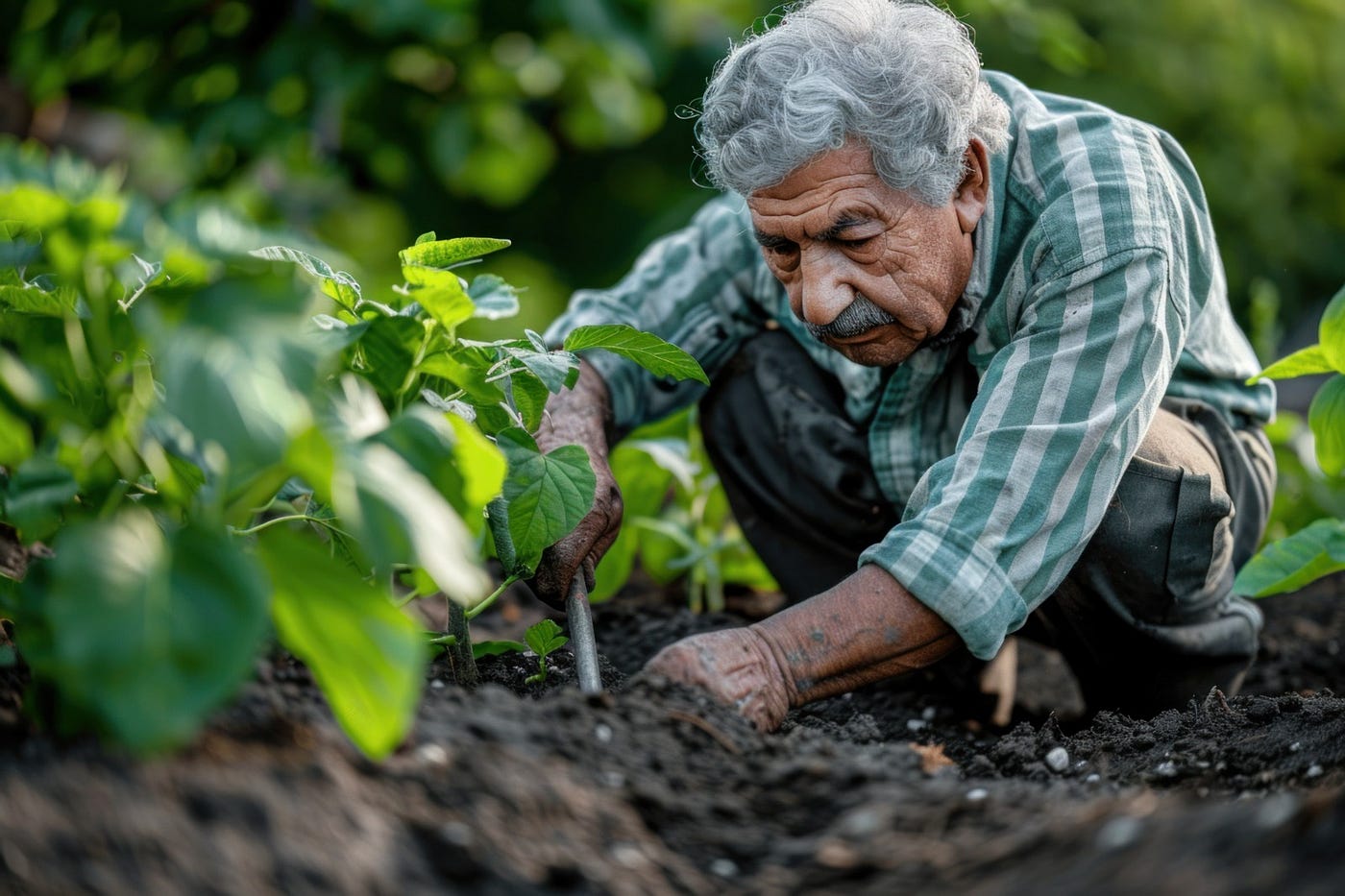
Agricultural growth and rural development are often spoken of in the same breath — and for good reason. In a country like India, where nearly 65% of the population lives in rural areas, the role of agriculture is far more than just food production. It is the backbone of rural livelihoods, the key to local economies, and a powerful force for social transformation.
In this post, we’ll explore how agricultural growth is not just about increasing yields, but also about rural empowerment — improving incomes, infrastructure, education, and opportunities in India’s villages. Whether you’re a policymaker, a rural entrepreneur, or a development enthusiast, this article will help you understand how agriculture can be the catalyst for holistic rural progress.
The Importance of Agriculture in India’s Economy
India ranks among the world’s top agricultural producers, with the sector contributing around 18% to national GDP and employing over 50% of the workforce. But beyond numbers, agriculture plays a much deeper role in shaping the rural economy.
- It provides direct livelihood to millions of small and marginal farmers.
- It supports agro-based industries like food processing, dairy, and textiles.
- It sustains traditional knowledge systems, ecosystems, and local culture.
Simply put, without agricultural prosperity, rural development cannot be imagined.
Economic Linkages Between Agriculture and Rural Development
Agriculture as a Job Creator
Farming remains the primary source of employment in rural India. A good agricultural season leads to:
- Seasonal job creation for laborers during sowing and harvest.
- Employment in allied sectors like fisheries, animal husbandry, and forestry.
Income Growth and Local Business Revival
When farmers earn more, the ripple effect is felt across the village economy:
- Higher disposable income leads to increased spending on goods and services.
- Local shops, transport services, and small traders see a boost in demand.
- Rural artisans and service providers find more work.
This is called the multiplier effect — agricultural growth triggers non-farm rural growth, lifting entire communities.
Infrastructure Development Fueled by Agriculture

Rural Infrastructure Follows Agri-Growth
With agricultural expansion comes the demand for better infrastructure:
- Irrigation canals, water harvesting systems, and cold storage units.
- Rural roads and electricity to transport and process farm produce.
- Mobile networks and internet for agritech and market linkages.
Governments and private investors are more likely to fund regions with strong agri-potential.
Real-World Example: Punjab’s Green Revolution
Punjab, India’s granary, witnessed a massive agricultural transformation during the Green Revolution. This resulted in:
- Expansion of canal irrigation and electricity.
- Development of mandis, warehouses, and fertilizer depots.
- Better schools, hospitals, and roads, lifting the overall quality of life.
Another emerging example is Telangana, where targeted irrigation and Rythu Bandhu (farmer investment support) have spurred rural development.
Social Impact of Agricultural Growth
Better Education and Health
Higher agricultural income often means families can:
- Send children to better schools instead of pushing them into labor.
- Access healthcare services, improve nutrition, and reduce child mortality.
This creates a virtuous cycle where each generation progresses further.
Women’s Empowerment Through Inclusive Farming

Schemes like Self Help Groups (SHGs) and women-led Farmer Producer Organizations (FPOs) have empowered women by:
- Giving them ownership of land, seeds, or livestock.
- Offering financial literacy and access to microcredit.
- Encouraging participation in decision-making and entrepreneurship.
Slowing Rural-Urban Migration
When villages become economically viable, youth don’t feel the need to migrate to cities. Agricultural growth leads to:
- Job retention in rural areas.
- Community bonding and preservation of local identity.
- Balanced urbanization, easing pressure on cities.
Challenges in Converting Growth to True Development
Despite progress, not every farmer or rural region benefits equally.
Unequal Access to Resources
- Small and marginal farmers often lack access to formal credit, quality seeds, or modern tools.
- Market linkages are still weak in remote regions, leading to price exploitation.
- Climate change and water stress are making farming riskier.
Regional Disparities
While states like Punjab or Haryana have advanced, others like Bihar, Odisha, or Bundelkhand lag behind due to:
- Poor irrigation.
- Lack of policy implementation.
- Political or climatic vulnerability.
To truly link agricultural growth and rural development, strategies must be inclusive, sustainable, and tailored to local needs.
Policy Support and Future Solutions
Government Schemes Driving Change
Several central and state government programs aim to address these challenges:
- PM-KISAN: Provides direct income support to farmers.
- Agri Infra Fund: Supports development of cold chains, warehouses, and farm gates.
- FPO Promotion Scheme: Encourages collective farming and direct market access.
Role of Agritech and Value Chains
Technology is now a game changer in rural agriculture:
- Drones and sensors for precision farming.
- Mobile apps offering weather alerts, crop advice, and mandi prices.
- Startups in farm-to-fork logistics helping reduce food waste.
Private players like FIL Industries are investing in sustainable horticulture, agri-tourism, and eco-friendly food processing, demonstrating how businesses can become partners in rural transformation.
Integrated Rural Development Models
Agriculture alone can’t uplift villages. We need:
- Rural industrial parks for value addition and employment.
- Skill training centers for youth.
- Linkages to health, education, and digital services.
Such holistic models ensure that growth is not only inclusive, but also future-ready.
Conclusion: The Path to Inclusive and Sustainable Development
Agricultural growth is more than rising crop production — it’s about creating resilient rural ecosystems. When growth is inclusive, it uplifts the most vulnerable; when it’s sustainable, it secures future generations.
To make this happen, we need collaborative action. Policymakers must ensure targeted interventions. Private enterprises like FIL Industries must align with community goals. Civil society must advocate for equality and environment-friendly practices.


Comments
Post a Comment