Apple Supply Chain in India: A Beginner’s Guide to Harvest, Storage & Distribution
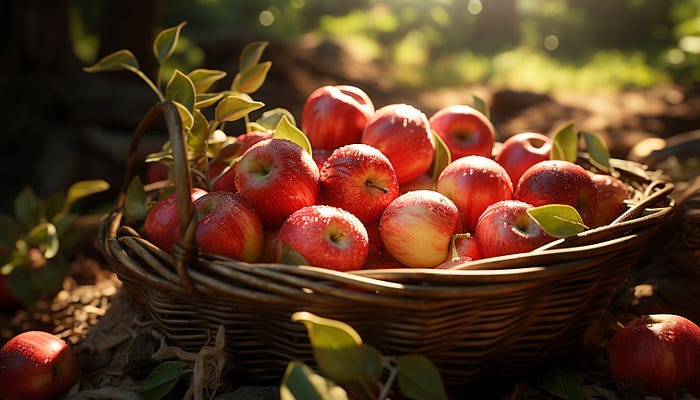
India’s love for apples is unmatched — they’re nutritious, delicious, and widely consumed across the country. But have you ever wondered how apples travel from high-altitude orchards in Kashmir or Himachal Pradesh to your local fruit vendor or supermarket?
This beginner’s guide explains the apple supply chain in India, from cultivation and harvesting to cold storage and distribution. Whether you’re a student, agri-enthusiast, or someone curious about how the system works, this blog will give you a clear picture.
Key Apple-Producing Regions in India
India ranks among the top apple-producing countries in Asia. The majority of apples come from three northern hill states:
- Jammu & Kashmir — The largest producer, contributing over 70% of India’s apples
- Himachal Pradesh — Known for high-quality varieties like Royal Delicious and Red Chief
- Uttarakhand — An emerging apple-producing region with government support
These regions offer the cool temperatures and high altitudes needed for apple cultivation.
Stages in the Apple Supply Chain
The apple supply chain in India involves multiple carefully coordinated stages:
1. Cultivation and Harvesting
- Apples require a temperate climate and are typically grown between 1,500 to 2,700 meters above sea level.
- The harvest season varies by region but generally falls between July and October.
- Traditional methods are now being replaced with high-density planting and smart irrigation systems to improve yield and quality.
2. Sorting and Grading
- Post-harvest, apples are sorted manually or using automated machines.
- Grading is based on size, color, texture, and presence of defects.
- This step ensures that only marketable apples move forward in the supply chain.
3. Packaging and First-Mile Transport
- Apples are packed in corrugated fiberboard boxes or wooden crates with cushioning to prevent bruising.
- First-mile transport usually involves trucks that carry produce from farms to cold storage or mandis (agri-markets).
4. Cold Chain and Controlled Atmosphere (CA) Storage
- This is a critical stage where apples are stored at low temperatures to extend freshness.
- CA storage goes a step further by controlling oxygen and carbon dioxide levels to slow down ripening.
- Many companies and cooperatives have established CA storage facilities in Kashmir and Himachal Pradesh to reduce post-harvest losses and maintain quality for off-season sale.
5. Distribution to Markets and Retailers
- After storage, apples are transported to wholesale markets (mandis), retailers, and export facilities.
- Logistics challenges include hilly terrain, limited refrigerated trucks, and price volatility during peak seasons.
Common Challenges in India’s Apple Supply Chain
While the supply chain is improving, several persistent issues affect efficiency and farmer incomes:
- Inadequate cold chain infrastructure, especially in remote hilly areas
- Middlemen dominance, leading to price suppression for farmers
- Unpredictable weather, such as hailstorms or unseasonal rain, damaging crops
- Lack of awareness among farmers regarding best practices for post-harvest handling
- Transport delays due to poor connectivity and road conditions in mountainous regions
Innovations and Industry Developments
To address these issues, several advancements have been made:
- High-Density Apple Plantations: Increasing yield with better land use
- Smart Irrigation & Weather Sensors: Enabling real-time decision-making for farmers
- Cold Chain Expansion: Government and private players have developed large-scale cold storage and CA units
- Digital Mandis & Supply Chain Tech: Helping connect farmers directly to markets and reduce middlemen
For example, integrated agri-businesses operating in Kashmir have built CA storage and logistics hubs to streamline post-harvest handling and reduce fruit spoilage.
Expert Insight & Trusted Data
According to the National Horticulture Board, India produced over 2.1 million metric tons of apples in 2022–23, with more than 65% coming from Jammu & Kashmir alone.
The Ministry of Agriculture & Farmers Welfare and initiatives under Mission for Integrated Development of Horticulture (MIDH) are working to improve infrastructure, educate farmers, and support sustainable practices.
Frequently Asked Questions
Q: What is the difference between cold storage and CA storage?
A: Cold storage keeps apples cool to delay spoilage, while Controlled Atmosphere (CA) storage also adjusts oxygen and CO₂ levels, slowing down ripening and extending shelf life up to 6–8 months.
Q: How are apples transported from Kashmir or Himachal Pradesh to Indian cities?
A: Apples are typically transported via trucks, sometimes refrigerated. From CA storage, they move to mandis, wholesalers, or large retail chains across India.
Q: What are the main reasons apples spoil before reaching the market?
A: Poor packaging, lack of temperature control during transport, and delays due to infrastructure bottlenecks contribute to spoilage.
Conclusion
The apple supply chain in India is a complex but fascinating system that begins in the high-altitude orchards of the north and ends in homes across the country. While challenges persist, technological improvements, cold chain infrastructure, and policy support are slowly transforming the sector.
For India to fully realize its apple production potential, continued investment in cold storage, farmer training, and sustainable logistics is essential. Educating consumers, supporting growers, and bridging the infrastructure gap can make the supply chain more efficient and equitable.


Comments
Post a Comment